The kitchen timer had been screaming for three minutes straight, but I was still staring at the counter like it held the secrets of the universe. Or at least, the secrets to a meal that didn’t involve takeout. It was one of those Tuesday evenings where the energy is low, the fridge is dangerously empty, and the only thing standing between me and a bowl of dry cereal is sheer willpower. Half a roasted butternut squash sat on the cutting board, its skin slightly charred from last night’s dinner. It looked lonely. Honestly, it looked like it was judging me.
I had a bag of quinoa that was slowly turning into a rock in the back of the pantry. There was also a small bag of dried cranberries that had been gifted to me by a neighbor who clearly wanted me to be a better person. And then, there was the pecans. Just a handful. But in that moment, staring at these disparate ingredients, something clicked. It wasn’t a grand culinary epiphany. It was more like a desperate compromise. I needed warmth. I needed color. I needed to feel like I hadn’t completely failed at adulting for the week.
So, I started tossing things together. I know it sounds chaotic, but that’s where the best recipes often come from. You take the earthy sweetness of the squash, mix it with the nutty chew of quinoa, and then throw in the tart pop of cranberries. It’s a flavor profile that feels intentional, even if it was assembled in a state of mild panic. The smell of toasted pecans and sage hitting the pan changed the entire atmosphere of the kitchen. Suddenly, it didn’t feel like a disaster. It felt like a cozy hug in a bowl.
I remember sitting down to eat it, steam rising off the plate, and just closing my eyes for a second. It wasn’t fancy. It wasn’t complicated. But it was exactly what I needed. That’s the thing about this stuffed squash recipe. It doesn’t ask for much. It just asks that you show up and be willing to mix a few things together. It’s the kind of meal that makes you feel like you’ve taken care of yourself, even when you’re running on empty. And honestly, isn’t that what we’re all trying to do?
Why You’ll Love This Recipe
Let’s be real for a second. Cooking during the week can feel like a chore. You come home tired, you’re hungry, and the last thing you want to do is spend hours chopping vegetables or deciphering a complicated recipe. That’s why this stuffed butternut squash is a game-changer. It’s not just food; it’s a solution. It’s the kind of dish that feels indulgent but actually fuels your body properly. I’ve tested this version multiple times, tweaking the ratios and the spices, until I landed on a combination that just works. It’s reliable. It’s comforting. And it’s surprisingly fast once you get the hang of it.
- Quick & Easy: If you roast your squash ahead of time or use a microwave hack, you can have this on the table in under 30 minutes. It’s perfect for those nights when you’re too exhausted to think about cooking.
- Simple Ingredients: You probably have most of these items in your pantry right now. Quinoa, dried cranberries, pecans, and squash are staples that don’t require a specialty grocery store run. It’s accessible cooking at its finest.
- Perfect for Meal Prep: This recipe stores beautifully. In fact, I often find the flavors meld together even better the next day. It’s a fantastic option for Sunday prep or bringing a warm lunch to work.
- Crowd-Pleaser: Even my picky eaters, who usually turn their noses up at anything orange or green, devour this. The sweetness of the squash and cranberries balances the savory quinoa and sage perfectly.
- Unbelievably Delicious: The texture contrast is key here. You get the creamy squash, the fluffy quinoa, the crunchy nuts, and the chewy fruit. It’s a mouthful of comfort every single time.
What makes this recipe different from other stuffed squash versions you might find online is the balance. A lot of recipes go too heavy on the stuffing, burying the squash. Here, the squash is the star. The filling is there to complement it, not overpower it. I’ve also added a touch of maple syrup and fresh sage, which adds an aromatic depth that feels sophisticated but is incredibly easy to achieve. It’s the kind of meal that makes you feel like a pro chef, even if you’re just heating up leftovers.
What Ingredients You Will Need
This recipe relies on a handful of wholesome ingredients to deliver bold flavor and satisfying texture without the fuss. The beauty of this dish lies in its simplicity. You don’t need expensive cuts of meat or rare spices. Instead, you lean into the natural sweetness of the vegetables and the nuttiness of grains. Most of these items are pantry staples, which makes it easy to grab and go. However, a few tips on selection can make a huge difference in the final result.
- Butternut Squash: Look for squash that feels heavy for its size. This indicates it’s full of moisture and sweetness. The skin should be matte and hard, without any soft spots. I usually buy one medium-to-large squash, but you can also buy pre-cut pieces if you’re short on time.
- Quinoa: I prefer white quinoa for its fluffier texture, but brown quinoa works well too if you prefer a nuttier bite. Make sure to rinse it thoroughly before cooking to remove any bitter saponins. It’s a complete protein, which adds to the nutritional value.
- Dried Cranberries: These add a necessary tartness to cut through the sweetness of the squash. I recommend unsweetened varieties if you can find them, as many brands pack them with added sugar. If you have to use sweetened ones, just reduce the amount of maple syrup in the recipe.
- Pecans: Toasting these nuts brings out their natural oils and flavor. I like using chopped pecans for a nice crunch. You can also use walnuts or pumpkin seeds if you have a nut allergy.
- Fresh Sage: This herb is non-negotiable for me. It adds an earthy, pine-like aroma that ties everything together. If you can’t find fresh sage, dried sage works, but use half the amount. The flavor is more concentrated.
- Vegetable Broth: Use a low-sodium vegetable broth to cook the quinoa. This adds depth to the grain without making the dish too salty. You can also use water, but broth makes a noticeable difference.
- Maple Syrup: A pure maple syrup adds a subtle sweetness that balances the tart cranberries. Avoid corn syrup blends, as they don’t have the same rich flavor.
- Olive Oil: A good quality extra virgin olive oil is best for roasting the squash and sautéing the aromatics. It adds a fruity note that complements the fall flavors.
- Onion and Garlic: These are the base for the savory flavor profile. Yellow onions and fresh garlic cloves are standard, but shallots can be used for a milder taste.
- Salt and Pepper: Season to taste. I recommend flaky sea salt for finishing, as it adds a nice crunch and visual appeal.
If you’re looking to substitute, you can swap quinoa for couscous or farro for a different texture. For a dairy-free option, skip any cheese toppings and rely on the nuts for richness. This flexibility is what makes the recipe so user-friendly.
Equipment Needed
You don’t need a fancy kitchen to make this recipe work. Basic tools will get you 99% of the way there. The most important piece of equipment is a large baking sheet. I use a rimmed baking sheet because it prevents any oil or juices from spilling into the oven. If you don’t have one, a regular sheet pan works fine, just keep an eye on it.
A medium-sized saucepan is needed for cooking the quinoa. If you’re using a rice cooker, feel free to use that. It’s often easier and more consistent. For the stuffing, a small skillet is perfect. I like using a cast-iron skillet because it retains heat well and gives the onions a nice sauté, but any non-stick pan will do.
You’ll also need a sharp chef’s knife and a sturdy cutting board. Cutting a whole butternut squash can be tricky, so make sure your knife is sharp. A dull knife is dangerous. If you’re uncomfortable cutting the squash, ask your grocer to do it for you. It’s a small service that saves a lot of hassle.
Finally, a measuring cup and spoon set will help you get the ratios right. While cooking is intuitive, having precise measurements ensures consistency, especially when you’re making it for the first time. Keep it simple and budget-friendly. You don’t need gadgets.
Preparation Method
Getting this dish together is straightforward, but timing is everything. Here is how to execute it flawlessly.
- Prepare the Squash (25-30 minutes): Preheat your oven to 400°F (200°C). Carefully cut the butternut squash in half lengthwise. Scoop out the seeds and stringy pulp with a spoon. Brush the cut sides lightly with olive oil and sprinkle with salt and pepper. Place them cut-side down on the baking sheet. Roast for 25-30 minutes until tender. You can test this by piercing the skin with a fork; it should slide in easily. Let it cool slightly.
- Cook the Quinoa (15 minutes): While the squash roasts, rinse one cup of quinoa under cold water. In a saucepan, combine the quinoa with two cups of vegetable broth. Bring to a boil, then reduce heat to low, cover, and simmer for 15 minutes. Remove from heat and let it sit, covered, for 5 minutes. Fluff with a fork.
- Sauté the Aromatics (5 minutes): In a small skillet, heat a tablespoon of olive oil over medium heat. Add one diced yellow onion and cook until translucent, about 3-4 minutes. Add two cloves of minced garlic and cook for another 30 seconds until fragrant. Be careful not to burn the garlic.
- Make the Filling (5 minutes): To the skillet, add one cup of cooked quinoa, half a cup of dried cranberries, and a quarter cup of chopped toasted pecans. Add one tablespoon of chopped fresh sage. Stir everything together. Season with salt and pepper to taste. If the mixture seems dry, add a splash more broth or a drizzle of maple syrup.
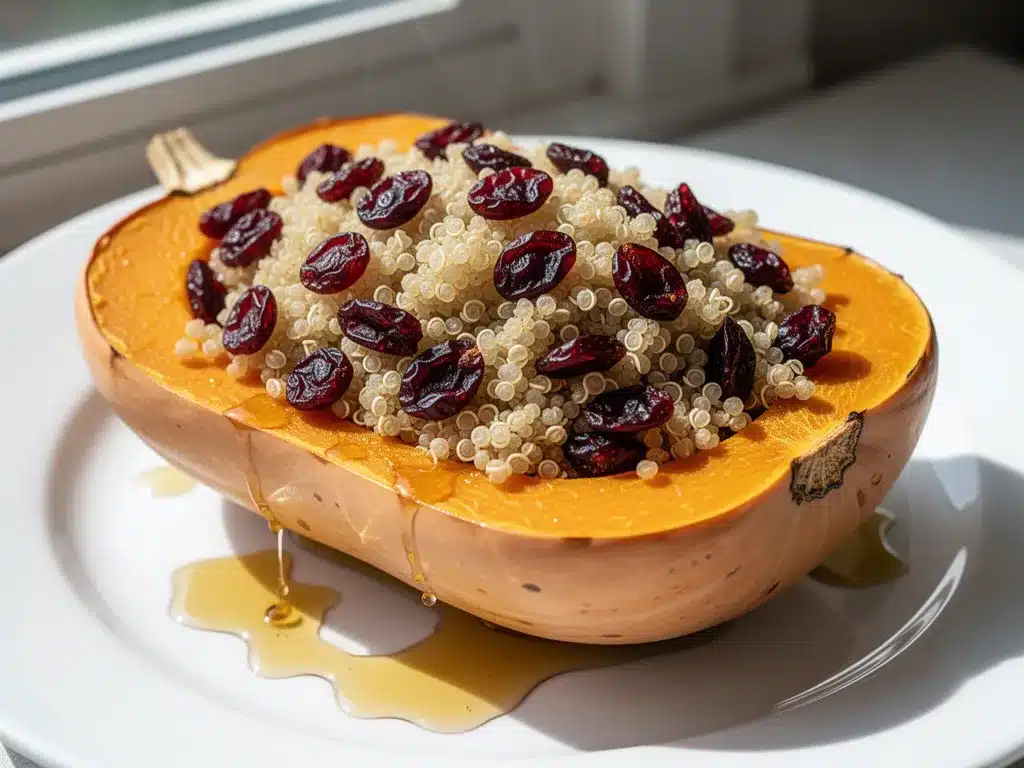
- Assemble and Bake (10 minutes): Once the squash halves are cool enough to handle, scoop out a small amount of flesh from the center to create a deeper well. This helps the filling sit nicely. Spoon the quinoa mixture generously into each squash half. Return the squash to the oven for 10 minutes to warm through and let the flavors meld.
- Finish and Serve: Remove from the oven. Drizzle with a little extra maple syrup if you like it sweeter. Garnish with fresh parsley or extra pecans. Serve immediately while hot.
Common mistake alert: Don’t overfill the squash. If you pack it too tight, the squash might not cook evenly or the filling could spill over. Leave a little room.
Cooking Tips & Techniques
There are a few tricks I’ve learned over the years that make this recipe consistently good. First, toasting the pecans before chopping them makes a huge difference. Put them in a dry pan over medium heat for 2-3 minutes until they smell nutty. It adds a layer of complexity that raw nuts just don’t have.
Another tip is to rinse your quinoa well. I know it’s tedious, but skipping this step can leave a bitter aftertaste. If you’re in a rush, you can buy pre-rinsed quinoa, but it’s usually more expensive. The washing step is free and effective.
When roasting the squash, placing it cut-side down helps it steam in its own juices, keeping it moist. If you roast it cut-side up, it can dry out. Also, don’t skip the salt on the squash itself. It seasons the vegetable from the inside out.
Multitasking is your friend here. While the squash is roasting, cook the quinoa. While the quinoa simmers, chop the nuts and herbs. This way, everything is ready to come together quickly at the end. It reduces stress and ensures everything is hot when you serve.
Consistency comes from practice. The first time you make it, it might take a bit longer. By the third time, you’ll have a rhythm. Trust your senses. If the stuffing smells amazing, it’s probably done. If the squash is too firm, give it a few more minutes in the oven.
Variations & Adaptations
One of the best things about this recipe is how adaptable it is. You can tweak it based on what you have on hand or what dietary needs you’re following.
Gluten-Free: This recipe is naturally gluten-free, provided you use certified gluten-free quinoa and broth. Double-check your ingredient labels to be safe.
Vegan: Simply omit any cheese toppings and ensure your vegetable broth is vegan. The dish is naturally plant-based, so it’s very easy to keep it vegan.
Protein Boost: Add a can of drained and rinsed chickpeas or black beans to the filling. It adds heartiness and extra protein, making it even more filling.
Spicy Kick: If you like heat, add a pinch of red pepper flakes to the onion sauté or mix some chopped jalapeño into the filling. It contrasts nicely with the sweet squash.
Seasonal Swap: In the spring, swap the dried cranberries for fresh cherries or apricots. In the winter, stick with dried fruits for their concentrated flavor. You can also swap pecans for walnuts or almonds depending on your preference.
I once tried adding crumbled feta cheese to the filling, and it was delicious. The saltiness of the cheese paired well with the sweet squash. If you’re not vegan, give that a try. It’s a personal favorite variation.
Serving & Storage Suggestions
This dish is best served warm, straight from the oven. It looks beautiful on a plate, especially if you garnish with fresh herbs. Pair it with a simple green salad dressed with a lemon vinaigrette to cut through the richness. A glass of red wine or a sparkling water with lime also complements the flavors well.
For storage, let the squash cool completely before refrigerating. Store the stuffed squash in an airtight container in the fridge for up to 3 days. The flavors actually improve after a day or two as they meld together.
To reheat, you can microwave it for 1-2 minutes or warm it in the oven at 350°F for 10-15 minutes. If you freeze it, wrap each half tightly in plastic wrap and then foil. It will keep for up to 3 months. Thaw in the fridge overnight before reheating.
Note that the texture of the quinoa might soften slightly after storage, but it’s still delicious. Just add a fresh crunch of nuts or seeds when you reheat it to bring back the texture contrast.
Nutritional Information & Benefits
This dish is not only tasty but also nutritious. Butternut squash is rich in vitamin A and fiber, which supports eye health and digestion. Quinoa is a complete protein, containing all nine essential amino acids, making it great for muscle repair and satiety. Cranberries provide antioxidants that support heart health, and pecans offer healthy fats that are good for brain function.
Each serving is approximately 400-500 calories, depending on the size of the squash and the amount of toppings used. It’s a balanced meal with carbs, protein, and fats. It’s naturally gluten-free and can be made vegan. For those watching sodium, using low-sodium broth and controlling the salt added during cooking helps keep it heart-healthy.
I love this recipe because it makes me feel energized without feeling heavy. It’s a wholesome meal that nourishes the body and soothes the soul. It’s a reminder that healthy eating doesn’t have to be boring or restrictive.
Conclusion
This Cozy Stuffed Butternut Squash with Quinoa and Cranberries is more than just a meal. It’s a reminder that simple ingredients can come together to create something magical. It’s perfect for busy weeknights, cozy dinners, or even impressing guests without stress. I hope you try it and find your own version of comfort in it.
Feel free to customize it with your favorite nuts, spices, or add-ins. Cooking is about experimentation, so make it your own. If you do try it, I’d love to hear how it turned out. Leave a comment below with your thoughts or any variations you tried. Sharing your experience helps me and other readers learn and grow. Thank you for reading, and happy cooking!
Frequently Asked Questions
Can I use fresh cranberries instead of dried?
Yes, but you’ll need to adjust the cooking time. Fresh cranberries are tart and firm. You can chop them and add them to the skillet, but they might not soften as much as dried ones. Dried cranberries are sweeter and chewier, which balances the savory filling better.
How do I store leftover stuffed squash?
Store leftovers in an airtight container in the refrigerator for up to 3 days. Reheat in the microwave or oven until warm. The texture of the squash may soften, but it remains delicious.
Can I make this recipe ahead of time?
Yes, you can roast the squash ahead of time and store it in the fridge. Assemble and bake just before serving. This saves time on busy weeknights.
What can I substitute for quinoa?
You can use brown rice, farro, or couscous as substitutes. Each will change the texture slightly, but the flavor profile will remain similar. Quinoa is preferred for its protein content and fluffy texture.
Is this recipe gluten-free?
Yes, this recipe is naturally gluten-free. Just ensure that your vegetable broth and any other ingredients are certified gluten-free if you have celiac disease or a severe allergy.
Pin This Recipe!
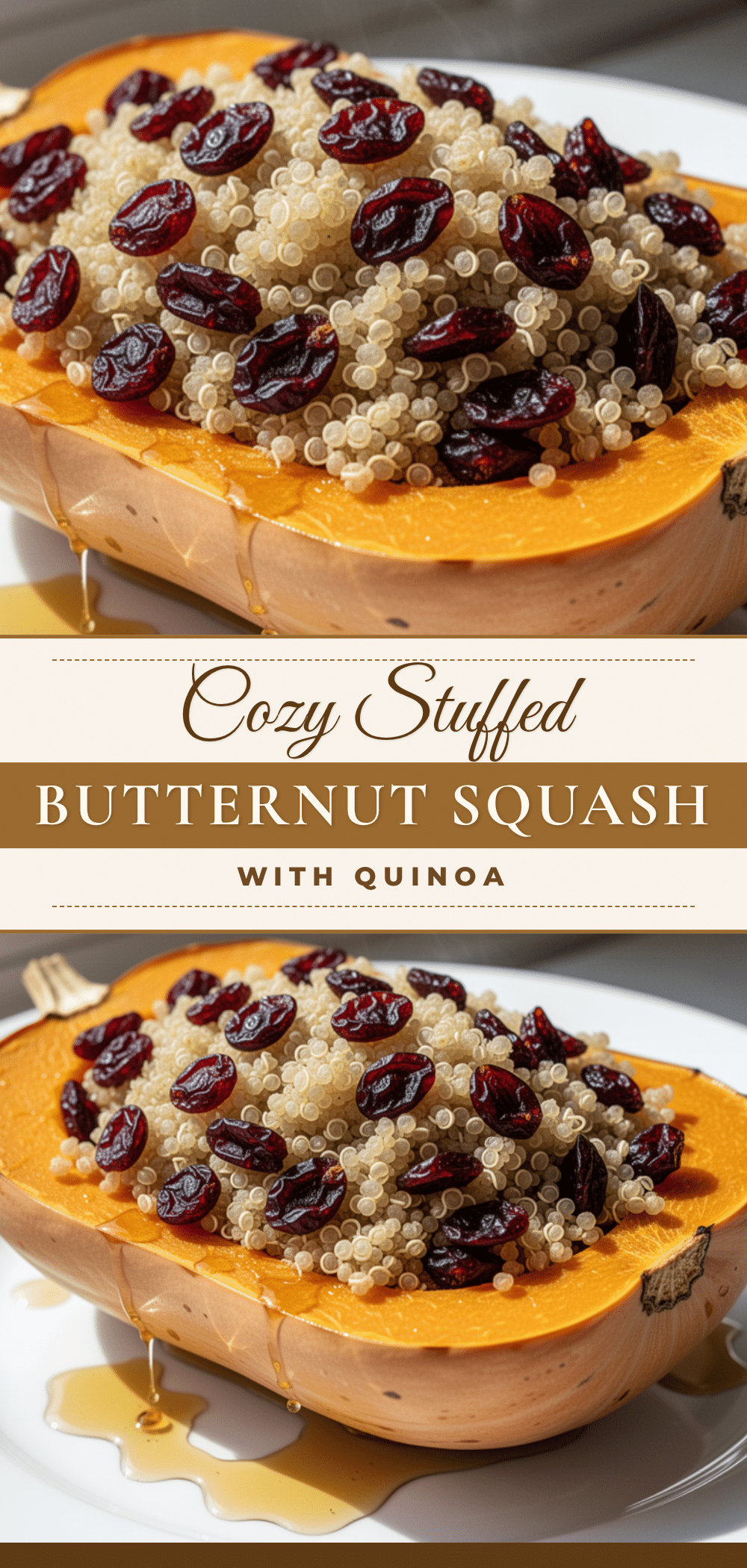
Cozy Stuffed Butternut Squash: 10 Min Healthy Dinner
A quick and comforting weeknight dinner featuring roasted butternut squash halves filled with a savory mixture of quinoa, dried cranberries, toasted pecans, and fresh sage.
- Prep Time: 15 minutes
- Cook Time: 30 minutes
- Total Time: 45 minutes
- Yield: 2 servings 1x
- Category: Main Course
- Cuisine: American
Ingredients
- 1 medium butternut squash
- 1 cup quinoa (white or brown)
- 2 cups vegetable broth (low-sodium)
- 1 tablespoon olive oil (for roasting)
- 1 tablespoon olive oil (for sautéing)
- 1 yellow onion, diced
- 2 cloves garlic, minced
- 1 cup cooked quinoa
- 1/2 cup dried cranberries
- 1/4 cup chopped pecans, toasted
- 1 tablespoon fresh sage, chopped
- 1 tablespoon pure maple syrup
- Salt and black pepper to taste
- Flaky sea salt for finishing
Instructions
- Preheat oven to 400°F (200°C). Cut the butternut squash in half lengthwise and scoop out seeds. Brush cut sides with olive oil and season with salt and pepper. Place cut-side down on a baking sheet and roast for 25-30 minutes until tender. Let cool slightly.
- While squash roasts, rinse 1 cup of quinoa. Combine with 2 cups vegetable broth in a saucepan. Bring to a boil, reduce heat to low, cover, and simmer for 15 minutes. Remove from heat and let sit covered for 5 minutes, then fluff with a fork.
- In a small skillet, heat 1 tablespoon olive oil over medium heat. Sauté diced onion until translucent (3-4 minutes). Add minced garlic and cook for 30 seconds until fragrant.
- Add the cooked quinoa, dried cranberries, toasted pecans, and chopped sage to the skillet. Stir to combine. Season with salt and pepper. Add a splash of broth or maple syrup if the mixture is dry.
- Scoop out a small amount of flesh from the center of the roasted squash halves to create a deeper well. Spoon the quinoa mixture generously into each squash half.
- Return stuffed squash to the oven for 10 minutes to warm through. Remove, drizzle with extra maple syrup if desired, garnish with fresh parsley or extra pecans, and serve immediately.
Notes
Toast pecans in a dry pan for 2-3 minutes before chopping to enhance flavor. Rinse quinoa thoroughly to remove bitter saponins. Roast squash cut-side down to keep it moist. Do not overfill the squash to ensure even cooking.
Nutrition
- Serving Size: 1 stuffed squash hal
- Calories: 450
- Sugar: 15
- Sodium: 350
- Fat: 18
- Saturated Fat: 2
- Carbohydrates: 65
- Fiber: 10
- Protein: 12
Keywords: butternut squash, quinoa, stuffed squash, healthy dinner, vegan, gluten-free, meal prep, fall recipes, cranberries, pecans