I figured a fifteen-minute dinner was a myth invented by people with sous-chefs and infinite patience. It took about ten minutes for that assumption to shatter against the reality of sizzling butter and panic. I stood over the stove, holding a bottle of white wine like it was a lifeline, wondering if I could actually pull off restaurant-quality garlic butter shrimp scampi without burning my house down. The recipe seemed too simple, too fast, and honestly, I expected the shrimp to turn into rubbery little bullets by the time the pasta was done.
But here is the thing about quick garlic butter shrimp scampi: it rewards speed. It doesn’t ask for hours of simmering or a complex mise en place that requires a spreadsheet. It asks for heat, good butter, and the courage to not overcook the protein. I learned this the hard way during a Tuesday night when the fridge was bare except for a bag of frozen shrimp and a head of garlic that smelled suspiciously like old socks.
That night, I threw everything into a pan. I used the cheap wine you drink while cooking, and I almost burned the garlic because I was distracted by a work email. But when I tasted it, I closed my eyes. The sauce was creamy, the shrimp were sweet, and the pasta held it all together in a way that felt like a hug from the inside out. It wasn’t fancy. It wasn’t perfect. But it was real.
Now, I make this quick garlic butter shrimp scampi regularly. It’s my go-to when I’m tired, when guests show up unexpectedly, or when I just need something that tastes like I tried, even though I barely did. It sticks with you because it’s honest. You know exactly what you’re getting, and it delivers.
Why You’ll Love This Recipe
There is a specific kind of magic in a dish that comes together faster than you can finish scrolling through your phone. This quick garlic butter shrimp scampi isn’t just another pasta recipe; it’s a testament to the power of good ingredients and simple technique. After years of testing countless variations, from adding cream to skipping the lemon entirely, I’ve landed on a version that balances richness with brightness perfectly. It’s the kind of meal that makes you feel like a gourmet chef, even if your only skill is boiling water.
Here is why this recipe earns a permanent spot in your weekly rotation:
- Quick & Easy: You can have this on the table in under 20 minutes. It’s perfect for busy weeknights when you’re hungry but exhausted, or for last-minute cravings that strike at 7 PM.
- Simple Ingredients: You likely already have everything in your kitchen. Shrimp, butter, garlic, lemon, and pasta are pantry staples or freezer basics. No fancy grocery trips needed.
- Perfect for Date Night: It feels elegant and sophisticated, making it great for intimate dinners at home without the stress of cooking a five-course meal.
- Crowd-Pleaser: This dish always gets rave reviews from kids and adults alike. The garlic butter sauce is irresistible, and most picky eaters won’t even notice it’s healthy-ish.
- Unbelievably Delicious: The texture and flavor combo is next-level comfort food. The shrimp are tender, the sauce clings to every noodle, and the lemon cuts through the richness beautifully.
What makes this different from the rest? It’s the technique. Many recipes tell you to sauté the garlic until golden, which often leads to bitter, burnt bits. This method keeps the garlic fragrant and sweet by adding it later in the process. Also, using pasta water to emulsify the sauce creates a silky coating that bottled creams can never achieve. It’s not just good—it’s the kind that makes you close your eyes after the first bite. It’s comfort food reimagined, faster, but with the same soul-soothing satisfaction. It’s perfect for impressing guests without stress.
What Ingredients You Will Need
This recipe uses simple, wholesome ingredients to deliver bold flavor and satisfying texture without the fuss. The beauty of shrimp scampi lies in its minimalism; when there are only a few components, each one must shine. You don’t need exotic spices or hard-to-find items. Just focus on quality where it counts, like the butter and the shrimp.
- Large Shrimp (21-25 count): Use raw, peeled, and deveined shrimp. Fresh is best, but high-quality frozen works well if thawed properly. Look for firm, translucent meat. I recommend brands like Kirkland Signature for consistent size and freshness. Avoid pre-cooked shrimp, as they will turn mushy.
- Unsalted Butter: This is the base of your sauce. Use high-quality European-style butter for a richer flavor and better emulsification. Salted butter can be used, but you’ll need to reduce the added salt later. The fat content is crucial for that glossy finish.
- Fresh Garlic: Minced garlic is non-negotiable. Pre-minced jarred garlic often tastes metallic or bitter. Fresh cloves provide a sharp, aromatic punch that cooks down into sweetness. Use about 4-5 cloves for this batch.
- Extra Virgin Olive Oil: Used to start the sauté, olive oil has a higher smoke point than butter and helps prevent the butter from burning. It also adds a fruity undertone that complements the garlic.
- White Wine: A dry white wine like Sauvignon Blanc or Pinot Grigio adds acidity and depth. Do not use cooking wine; it’s too salty. If you don’t drink alcohol, substitute with chicken broth and a splash of lemon juice.
- Fresh Lemon Juice: Bright, acidic, and essential. It cuts through the heavy butter sauce. Squeeze it fresh; bottled juice lacks the volatile oils that give it aroma.
- Red Pepper Flakes: A pinch adds heat and balances the richness. Adjust based on your spice tolerance. I like a moderate kick.
- Pasta: Linguine or spaghetti are traditional. Spaghetti is easier to twirl, while linguine holds the sauce better. Use a high-quality dried pasta for better texture.
- Fresh Parsley: Chopped flat-leaf parsley adds color and a fresh, herbaceous note. It’s garnish, but it makes the dish look professional.
- Salt and Black Pepper: To taste. Remember that the pasta water and cheese (if used) will add saltiness.
Equipment Needed
You don’t need a professional kitchen to make this, but having the right tools helps. A large skillet or sauté pan is essential. I prefer a stainless steel pan because it gives you better control over heat, but a non-stick pan works too if you’re careful not to scratch it. You’ll need a large pot for boiling the pasta—make sure it’s big enough to give the noodles room to move. A tongs are your best friend here for flipping shrimp and tossing pasta. A microplane or fine grater is helpful if you want to zest the lemon before juicing it. Finally, a measuring cup for reserving pasta water is key for getting that sauce consistency right.
Preparation Method
- Boil the Pasta: Bring a large pot of salted water to a rolling boil. Add the linguine or spaghetti and cook according to package directions until al dente. Before draining, reserve one cup of the starchy pasta water. This liquid is gold for thickening the sauce. Set the pasta aside.
- Prep the Shrimp: Pat the shrimp dry with paper towels. Moisture is the enemy of a good sear. Season them lightly with salt and pepper. If using frozen shrimp, ensure they are fully thawed and patted dry.
- Sear the Shrimp: Heat the olive oil in your large skillet over medium-high heat. Once the oil shimmers, add the shrimp in a single layer. Do not crowd the pan; cook in batches if necessary. Sear for 1-2 minutes per side until pink and opaque. Remove the shrimp from the pan and set aside on a plate. Do not overcook them now, as they will cook again later.
- Make the Sauce Base: Reduce the heat to medium. Add the butter to the same pan. Once melted and foaming, add the minced garlic and red pepper flakes. Sauté for about 30-60 seconds. Watch closely! Garlic burns quickly. You want it fragrant, not brown.
- Deglaze: Pour in the white wine. Scrape up any browned bits from the bottom of the pan with a wooden spoon. Let it simmer for 1-2 minutes to reduce slightly and cook off the alcohol smell.
- Emulsify: Add the lemon juice and about half of the reserved pasta water to the pan. Whisk or swirl the pan to combine. The sauce should start to thicken slightly.
- Combine: Return the shrimp to the pan. Add the cooked pasta directly into the skillet. Toss everything together vigorously. If the sauce looks too thick, add more pasta water a splash at a time until you reach a glossy, clinging consistency.
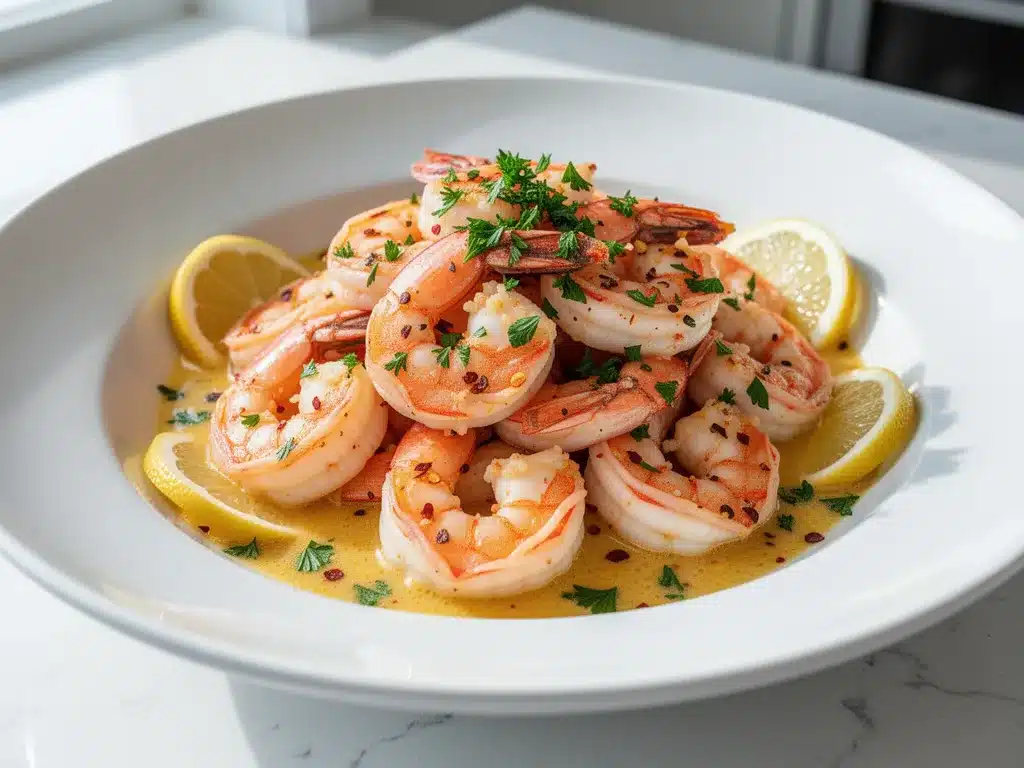
- Finish: Remove from heat. Stir in the chopped parsley. Taste and adjust seasoning with more salt or pepper if needed. Serve immediately with extra lemon wedges and parsley on top.
Cooking Tips & Techniques
One common mistake is overcrowding the pan when searing the shrimp. If you put too many in at once, they steam instead of sear, leading to a gray, rubbery texture. Cook them in batches if your pan isn’t huge. Another tip is to not skip the pasta water. The starch in the water helps bind the oil and water-based ingredients into a creamy sauce without actually adding cream. It’s a trick professional chefs use all the time. Also, take the shrimp off the heat as soon as they turn pink. They continue to cook from residual heat, so pulling them early ensures they stay tender. I once overcooked a batch and spent the next hour chewing on rubber bands, so learn from my mistake.
Variations & Adaptations
This recipe is incredibly versatile. For a lighter option, swap the butter for olive oil and use zucchini noodles instead of pasta. If you want more protein, add grilled chicken breasts alongside the shrimp. For a creamy version, stir in a splash of heavy cream at the end, though the traditional scampi style is usually oil-and-butter based. You can also add spinach or cherry tomatoes to the pan during the garlic step for extra veggies. If you’re gluten-sensitive, use gluten-free pasta, but rinse it less to keep the starch for the sauce. I once tried adding sun-dried tomatoes, and it was a delicious twist on the classic.
Serving & Storage Suggestions
Serve this dish hot, immediately after tossing. It looks best garnished with fresh parsley and a wedge of lemon. Pair it with a crisp green salad and crusty bread to soak up the extra sauce. For storage, let any leftovers cool completely and store them in an airtight container in the refrigerator for up to two days. Reheat gently in a skillet with a splash of water or broth to prevent the shrimp from drying out. The flavors actually meld nicely overnight, making it a great leftover lunch.
Nutritional Information & Benefits
Shrimp is a lean source of protein, low in calories but high in nutrients like selenium and vitamin B12. The garlic offers anti-inflammatory properties, and the olive oil provides heart-healthy monounsaturated fats. While the butter adds richness, using it in moderation keeps this dish balanced. It’s not a diet food, but it’s nutrient-dense and satisfying. For those watching carbs, the portion size of pasta can be managed easily. Always consult a nutritionist for specific dietary needs.
Conclusion
Quick garlic butter shrimp scampi is a lifesaver for busy weeknights and a winner for date nights. It’s simple, delicious, and comes together in the time it takes to boil pasta. I love this recipe because it feels indulgent but doesn’t require hours of work. It’s honest cooking at its finest. I encourage you to try it and customize it to your taste. Maybe you add more chili flakes, or maybe you skip the wine. Whatever you do, make it yours. Let me know in the comments how you like to tweak this classic. Happy cooking!
FAQs
Can I use frozen shrimp for this recipe?
Yes, frozen shrimp works perfectly. Just make sure to thaw them completely in cold water and pat them very dry before cooking. Excess moisture will steam the shrimp instead of searing them.
What kind of wine should I use?
Use a dry white wine like Sauvignon Blanc, Pinot Grigio, or Chardonnay. Avoid sweet wines or anything labeled “cooking wine” as they can be too salty or sweet. If you don’t drink alcohol, use chicken broth with extra lemon juice.
How do I prevent the garlic from burning?
Add the garlic after the butter has melted but before the pan gets too hot. Keep the heat at medium and stir constantly. Garlic burns in seconds, so stay close to the stove. If it starts to smell bitter, start over.
Can I make this ahead of time?
It’s best made fresh. The shrimp can get rubbery if reheated too much. However, you can prep the ingredients (mince garlic, chop parsley, measure wine) beforehand to speed up the cooking process.
What pasta is best for shrimp scampi?
Linguine and spaghetti are the traditional choices. Linguine has a flat shape that holds sauce well, while spaghetti is classic for twirling. Angel hair cooks too fast and can break, so stick to medium-thick pasta.
Pin This Recipe!
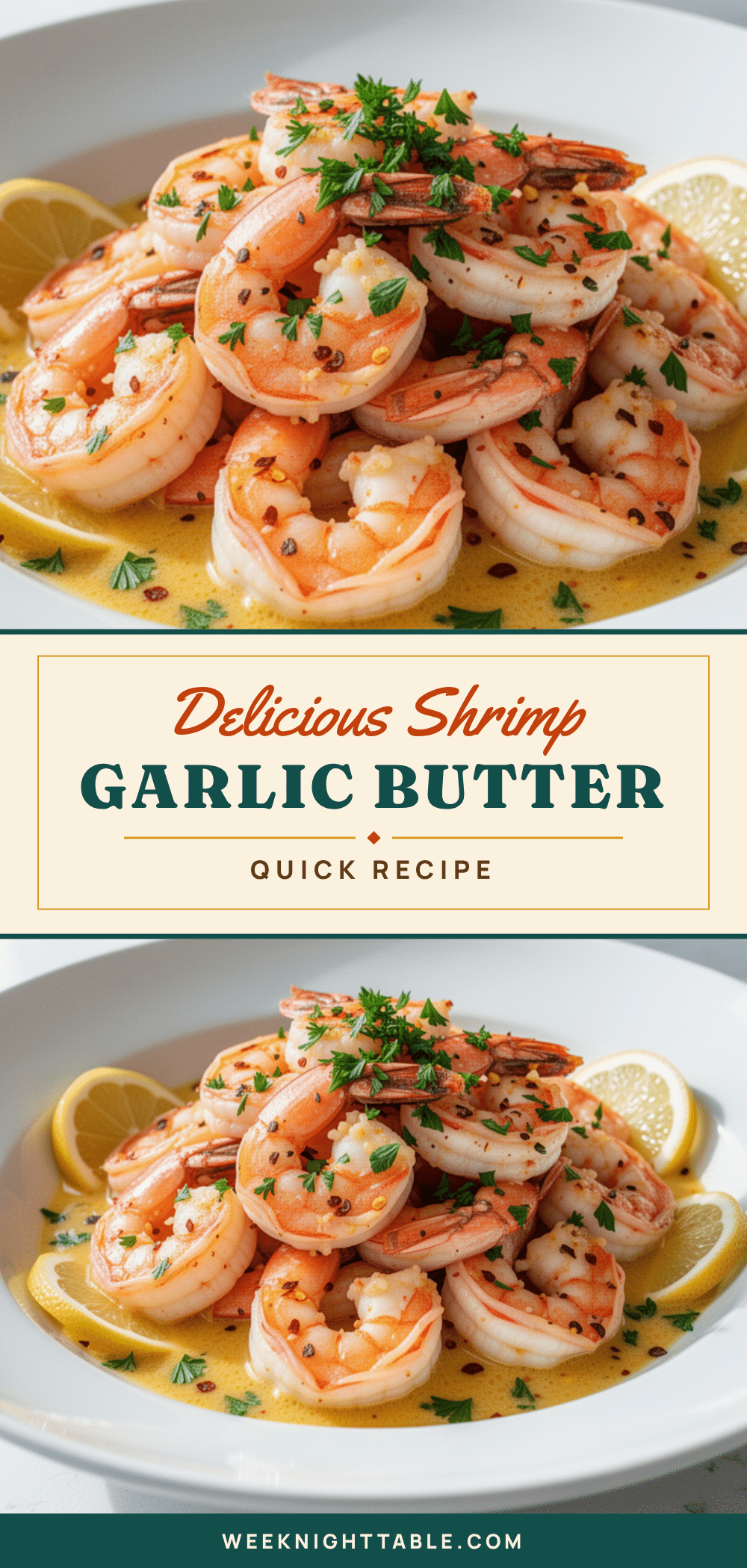
Quick Garlic Butter Shrimp Scampi: Easy 15-Min Dinner
A fast, restaurant-quality garlic butter shrimp scampi that comes together in under 20 minutes using simple ingredients and a technique that ensures tender shrimp and a silky, emulsified sauce.
- Prep Time: 10 minutes
- Cook Time: 10 minutes
- Total Time: 20 minutes
- Yield: 4 servings 1x
- Category: Main Course
- Cuisine: Italian
Ingredients
- 1 lb large shrimp (21–25 count), raw, peeled, and deveined
- 8 tbsp unsalted butter
- 4–5 cloves fresh garlic, minced
- 2 tbsp extra virgin olive oil
- 1/2 cup dry white wine (e.g., Sauvignon Blanc or Pinot Grigio)
- 2 tbsp fresh lemon juice
- 1 pinch red pepper flakes
- 1 lb linguine or spaghetti
- 1/4 cup fresh parsley, chopped
- Salt and black pepper to taste
- Reserved pasta water
Instructions
- Bring a large pot of salted water to a rolling boil. Cook pasta according to package directions until al dente. Before draining, reserve one cup of starchy pasta water and set pasta aside.
- Pat shrimp dry with paper towels and season lightly with salt and pepper.
- Heat olive oil in a large skillet over medium-high heat. Add shrimp in a single layer (cook in batches if necessary) and sear for 1-2 minutes per side until pink and opaque. Remove shrimp from pan and set aside.
- Reduce heat to medium. Add butter to the same pan. Once melted and foaming, add minced garlic and red pepper flakes. Sauté for 30-60 seconds until fragrant, being careful not to burn.
- Pour in white wine and scrape up any browned bits from the bottom of the pan. Simmer for 1-2 minutes to reduce slightly.
- Add lemon juice and about half of the reserved pasta water to the pan. Whisk or swirl to combine and let sauce thicken slightly.
- Return shrimp to the pan and add the cooked pasta. Toss vigorously. Add more pasta water a splash at a time if needed to achieve a glossy, clinging consistency.
- Remove from heat. Stir in chopped parsley. Taste and adjust seasoning with salt or pepper. Serve immediately with extra lemon wedges and parsley.
Notes
Do not overcrowd the pan when searing shrimp to ensure they sear rather than steam. Use fresh garlic and lemon juice for best flavor. The starch from the reserved pasta water is crucial for emulsifying the sauce into a creamy consistency without adding cream. Shrimp continue to cook from residual heat, so remove them from the pan while slightly underdone to prevent rubberiness.
Nutrition
- Serving Size: 1/4 of the recipe
- Calories: 650
- Sugar: 2
- Sodium: 450
- Fat: 28
- Saturated Fat: 14
- Carbohydrates: 75
- Fiber: 3
- Protein: 35
Keywords: shrimp scampi, garlic butter shrimp, quick dinner, 15 minute meal, pasta recipe, seafood, weeknight dinner, easy shrimp recipe